ADAS Features That Will Soon Come as Standard on All New Vehicles
Since its introduction, the Advanced Driver Assistance System (ADAS) has dramatically transformed the automotive industry. Over the past several years, car manufacturers have been introducing a wide array of ADAS features in cars and SUVs. These advanced technologies aim to enhance driving safety while improving overall driving experience.
While comfort is important, safety is always the top priority when driving a vehicle. ADAS systems are specifically designed to reduce human error and help drivers stay alert, avoid collisions, and respond to dangerous situations more effectively. In addition, these systems make driving more convenient, enjoyable, and less stressful.
Some ADAS features are becoming essential for all new vehicles, while others can be added depending on driver preferences or vehicle trim levels. If you’re interested in understanding the features that are becoming standard, as well as why proper ADAS calibration camera service is so critical after windshield repair or replacement, this guide will provide all the information you need.
Why ADAS Technology Matters
Every year, traffic accidents claim more than one million lives worldwide, and countless others suffer injuries. According to the U.S. Department of Transportation’s National Highway Traffic Safety Administration (NHTSA), approximately 94% of all traffic accidents are caused by human error. These errors include distracted driving, delayed reaction to hazards, misjudging distances, and failing to recognize traffic signals or obstacles.
ADAS safety systems aim to minimize these humanrelated mistakes using innovative technologies. These features include both driver assisted systems and fully autonomous functions. By using sensors, radar, and camera technologies, ADAS helps drivers anticipate dangerous situations and take appropriate action before accidents occur.
Some common ADAS features already integrated into modern cars include:
Road Departure Mitigation (RDM): Helps prevent the vehicle from unintentionally drifting out of its lane.
Adaptive Cruise Control (ACC): Maintains a safe following distance and adjusts speed according to traffic conditions.
Lane Keeping Assist System (LKAS): Alerts the driver and assists in keeping the vehicle within its lane.
Collision Mitigation Braking System (CMBS): Automatically applies brakes if a potential collision is detected.
Automakers such as Ford, Chevrolet, Hyundai, Nissan, Toyota, Dodge, and General Motors continue to expand the range of ADAS features in new models, responding to increasing consumer demand for safer vehicles.
For drivers in the Portland Metro Area, Visionguard offers professional mobile auto glass repair services with integrated ADAS camera calibration, ensuring that these critical safety systems function correctly after any windshield or glass repair.
ADAS Features Soon to Become Standard
While manufacturers currently decide which ADAS features to include in their vehicles, international regulations are increasingly pushing for standardization. Here are some features that will likely become mandatory in all new cars and SUVs:
Adaptive Cruise Control (ACC)
Adaptive Cruise Control automatically adjusts your vehicle’s speed based on surrounding traffic conditions, helping maintain a safe distance from vehicles ahead. ACC has evolved significantly from the traditional cruise control found in older vehicles.
Initially, ACC was exclusive to luxury cars, but it has now become increasingly common across mid range and even entry level vehicles. This feature not only enhances safety by reducing the likelihood of rear end collisions but also reduces driver stress during long highway trips.
Automatic Emergency Braking (AEB)
Automatic Emergency Braking is one of the most critical ADAS features. The system detects imminent collisions with other vehicles or pedestrians and automatically applies brakes to prevent or mitigate the impact. AEB uses radar and camera sensors to measure distances and detect potential hazards.
Originally available only in luxury vehicles, AEB is now a standard feature in most new cars. Some systems operate only at low speeds, while others function at both low and high speeds to suit urban and highway driving conditions.
AEB can occasionally activate unnecessarily, but the technology has proven extremely effective in preventing accidents and reducing injury severity. Standardizing AEB across all vehicles is a significant step toward safer roads.
Driver Fatigue Detection
Driver Fatigue Detection systems monitor driver behavior to detect signs of drowsiness or inattention. These systems track patterns such as steering inputs, vehicle movement, and driving duration. If the system detects fatigue, it alerts the driver to take a break, helping prevent accidents caused by lapses in attention.
This feature is expected to become a standard in most new vehicles, as driver drowsiness is a leading cause of accidents worldwide.
Driver Eye and Head Monitoring
Building on fatigue detection, advanced ADAS systems now monitor driver eye movements and head position to detect distractions or sleepiness. Eye monitoring technology tracks blink rates, eye closure, and even pupil size to determine attention levels. Head monitoring detects sudden or unusual head movements that indicate distraction or fatigue.
If the system detects a problem, it alerts the driver with dashboard warnings and audible signals. These advanced monitoring systems are crucial for preventing accidents caused by driver inattention, and they are expected to become standard in the near future.
Blind Spot Monitoring and Pedestrian Detection
ADAS technologies are also enhancing awareness around the vehicle. Blind spot monitoring systems alert drivers to vehicles approaching from behind or the side. Additionally, pedestrian detection systems help identify vulnerable road users near the vehicle, such as cyclists and pedestrians, reducing the risk of collisions.
In the coming years, these systems will become standard not only in cars and SUVs but also in trucks, buses, and commercial vehicles. Reducing blind spots and improving pedestrian detection is vital for creating safer roads.
The Role of ADAS Camera Calibration
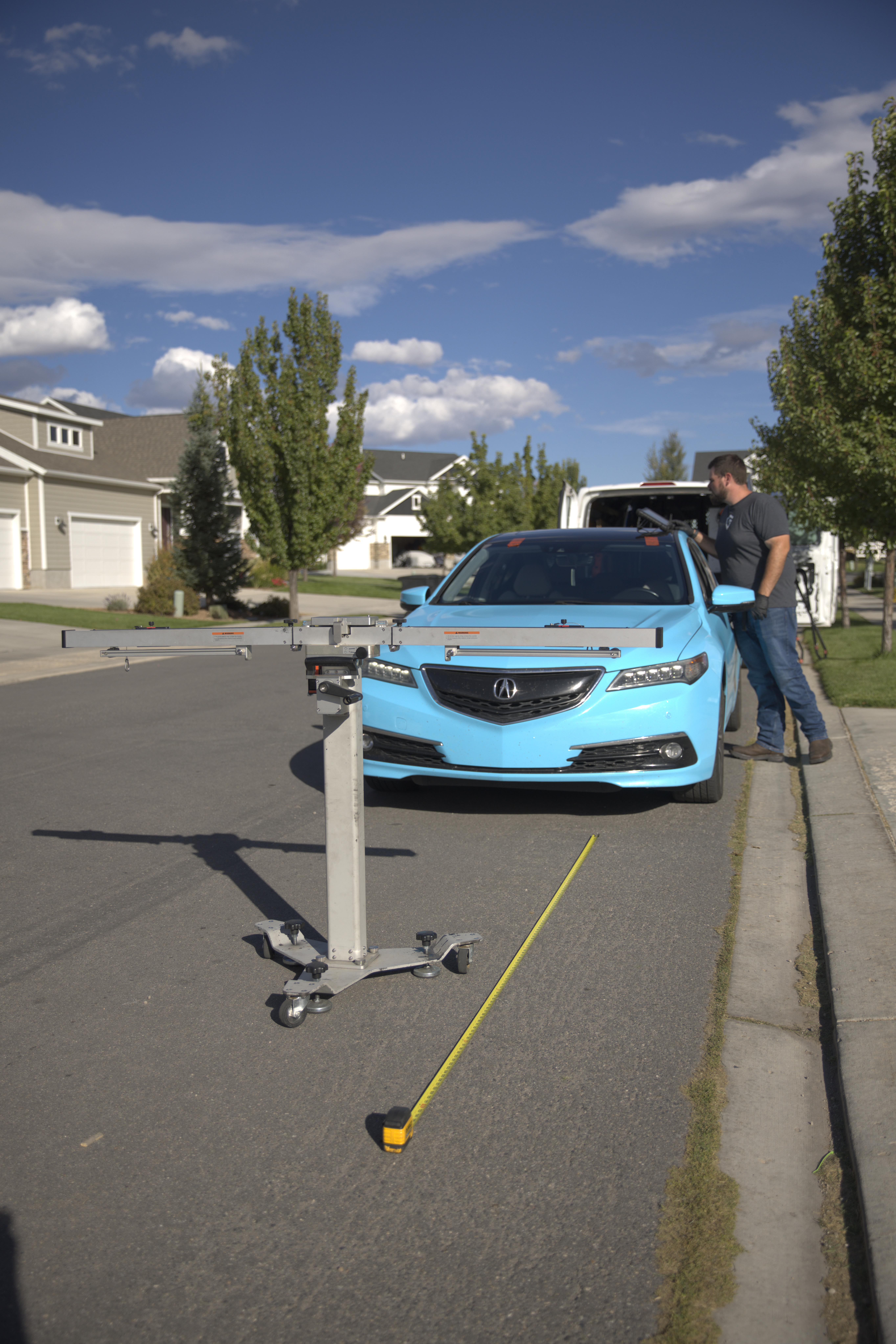
Every ADAS feature relies on precise calibration of cameras, sensors, and radar systems. Even minor windshield damage or replacement can affect calibration, causing systems like ACC, AEB, LKAS, and blind spot monitoring to function improperly.
Proper ADAS camera calibration ensures that these systems operate correctly, maintaining safety standards and protecting the driver and passengers. After mobile auto glass repair or windshield replacement, it’s essential to have a professional recalibrate the ADAS cameras to restore their accuracy.
Visionguard specializes in ADAS camera calibration during mobile auto glass repair services. Our trained technicians ensure that all ADAS systems are fully functional, providing maximum safety without requiring you to visit a shop.
Mobile Auto Glass Repair for ADAS Equipped Vehicles
Modern vehicles rely heavily on cameras and sensors mounted on the windshield. Even minor cracks or chips can compromise the alignment of these systems. This makes professional mobile auto glass repair crucial, especially for vehicles equipped with ADAS.
With Visionguard, you can have your windshield repaired or replaced at your convenience, and our technicians will perform ADAS camera calibration on site. This ensures that all safety systems like lane departure warnings, collision mitigation braking, and adaptive cruise control work exactly as intended.
Mobile services are particularly beneficial for busy vehicle owners who cannot afford downtime. Whether you are at home or at work, Visionguard brings expert auto glass repair and calibration directly to you.
Preparing for Standardization of ADAS Features
The European Commission and other international regulatory bodies are actively working to standardize ADAS technologies across all new vehicles. Standardization efforts focus on:
Automatic Emergency Braking
Adaptive Cruise Control
Lane Departure Warnings
Driver Fatigue Detection
Blind Spot Monitoring
Pedestrian and Cyclist Detection
By ensuring that these features are present in all new vehicles, regulators aim to reduce traffic accidents, injuries, and fatalities significantly.
The Future of ADAS
As autonomous driving technology evolves, new ADAS features continue to emerge. Features such as fully autonomous highway driving, intersection assistance, and enhanced night vision are gradually being introduced. Manufacturers typically release these technologies in select markets before global adoption, but over time, they are expected to become more widespread.
Keeping ADAS systems properly calibrated is crucial as these technologies advance. Regular maintenance, particularly after windshield or auto glass repair, ensures that all systems function as designed.
Why Choose Visionguard for Mobile Auto Glass Repair and ADAS Camera Calibration
For residents in the Portland Metro Area including Beaverton, Lake Oswego, Oregon City, Gresham, and surrounding areas, Visionguard provides reliable, professional, and convenient mobile auto glass repair and ADAS camera calibration services. Learn more about trusted Portland Oregon windshield replacement companies and how Visionguard stands out.
Our services include:
On site windshield repair and replacement
Precise ADAS camera and sensor calibration
Repair of cracks, chips, and pitting without disrupting vehicle safety systems
Fast, professional service at your location
With Visionguard, you can ensure that your vehicle remains safe, your ADAS systems function correctly, and your driving experience is smooth and stress free.
Conclusion
ADAS features are rapidly becoming standard in all new vehicles, enhancing driver safety and road awareness. From Adaptive Cruise Control and Automatic Emergency Braking to Driver Fatigue Detection and Blind Spot Monitoring, these systems are revolutionizing the way we drive.
Proper ADAS camera calibration after any windshield repair or replacement is critical for maintaining system accuracy. Visionguard provides expert mobile auto glass repair and ADAS calibration services in the Portland Metro Area, ensuring that your vehicle remains safe, reliable, and ready for the road.
With ADAS technology advancing every year, staying informed and maintaining proper calibration is essential for maximizing the safety benefits of your vehicle. Contact Visionguard today for a free consultation and ensure that your car’s ADAS systems are operating at peak performance.
FAQs
What are ADAS features?
ADAS are systems that assist drivers and improve vehicle safety.Which ADAS features will become standard?
Features like automatic emergency braking, lane assist, and blind spot monitoring.Why are ADAS features becoming standard?
To reduce accidents and improve overall road safety.Do ADAS features replace the driver?
No, they assist drivers but do not replace human control.Will ADAS increase vehicle costs?
Costs may rise slightly, but safety benefits outweigh the increase.
