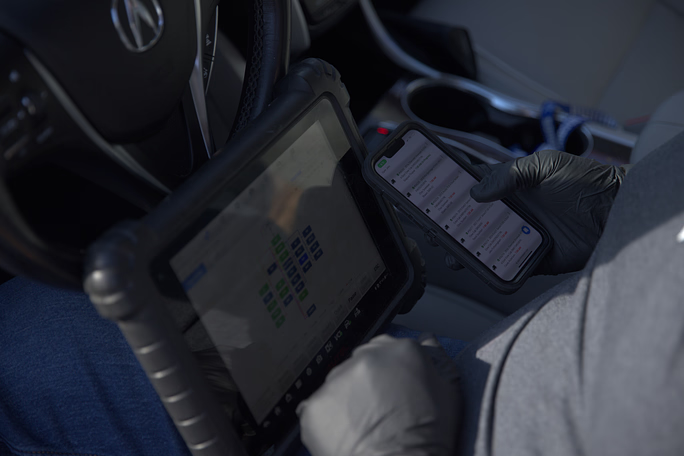
What Is ADAS Calibration & Why It Matters After Glass Replacement | VisionGuard
If your vehicle has modern driver safety features, replacing a windshield is no longer just about installing new glass. Today’s vehicles rely on cameras, sensors, and onboard systems that must work together with precision. That is where ADAS calibration becomes important.
Many drivers do not realize that a windshield often plays a direct role in how vehicle safety systems operate. If the glass is replaced and those systems are not checked properly afterward, certain safety features may not perform the way they should.
At VisionGuard, windshield replacement is approached with safety and accuracy in mind. Modern auto glass service is no longer just about visibility. It is also about making sure the systems connected to your windshield continue working correctly after installation. VisionGuard notes that many vehicles now use forward-facing cameras, rain sensors, and heads-up display related systems that may require certified calibration support after windshield work.
What Is ADAS Calibration?
If you have ever asked what is ADAS calibration, the simple answer is this:
It is the process of making sure your vehicle’s cameras and related safety systems are properly aligned after windshield replacement or certain types of vehicle service.
ADAS stands for advanced driver assistance systems. These are the built-in features designed to help support safer driving. Many newer vehicles rely on cameras or sensors mounted near or behind the windshield. If the windshield is replaced, even a slight shift in camera position can affect how those systems interpret the road.
That means the windshield is not just glass. In many modern vehicles, it is also part of the support structure for important safety technology.
Why Windshield Replacement Can Affect Vehicle Safety Systems
A lot of drivers assume that if the new windshield looks clear and fits correctly, the job is complete. But with many modern vehicles, there is another important step after installation.
The reason is simple. Some cameras and sensors are mounted directly to the windshield or positioned in relation to it. If the glass changes, even slightly, the camera angle or reference point can change too.
That is why post-replacement calibration matters.
The Windshield Is Part of the System
In many vehicles, the windshield supports the mounting and position of front-facing cameras. These cameras help your vehicle interpret lane markings, traffic movement, distance, and other road conditions.
If the camera is even slightly off after a replacement, it may not “see” the road the way it was designed to. That is why windshield sensor alignment is such an important part of the process.
Even when the replacement glass is installed correctly, the systems still need to be checked to make sure they are operating as intended.
What Features May Depend on ADAS Calibration?
Not every vehicle has the same setup, but many newer cars, trucks, and SUVs include some form of advanced driver assistance systems.
These systems are designed to support safer driving and reduce the chances of certain driving errors. Depending on the vehicle, they may help monitor lane position, detect traffic ahead, support emergency braking functions, or provide visual alerts to the driver.
Many of these features rely on cameras or sensors placed near the windshield area. If that reference point changes after glass replacement, calibration may be needed to help the system return to proper working condition.
Why This Matters for Everyday Driving
These are not just luxury add-ons anymore. In many vehicles, this safety technology is part of everyday driving performance.
Drivers often rely on these systems without even thinking about it. That is why it is important not to treat windshield replacement as a simple glass-only job when your vehicle has camera-based safety features.
If those systems are there to help protect you on the road, they should be treated with the same level of care as the glass itself.
What Happens If ADAS Calibration Is Skipped?
This is where the real concern begins.
If calibration is skipped when it is needed, the system may still appear normal to the driver. There may be no obvious warning signs at first. But behind the scenes, the camera or sensor may not be interpreting the road correctly.
That can affect how your vehicle responds to lane markings, road position, or surrounding traffic conditions.
Small Misalignment Can Create Big Problems
Even a small issue with windshield sensor alignment can matter.
The camera does not need to be dramatically off to create a problem. A minor angle difference can affect how the system reads distance, road shape, or lane placement. That can reduce the accuracy of the features your vehicle is designed to use while driving.
This is why calibration is not just a technical add-on. It is part of restoring the vehicle after windshield replacement.
Why ADAS Calibration Matters After Glass Replacement
This is the most important part of the conversation.
A windshield replacement should not only restore clear visibility. It should also restore the proper working relationship between the glass and the systems connected to it.
That is exactly why ADAS calibration matters after glass replacement.
Safety Technology Needs Accuracy
Modern safety technology depends on precision.
When a windshield is removed and replaced, the position of attached or referenced systems can change. Even when everything looks fine from the outside, the internal reference point may no longer be exact.
That is why calibration helps confirm that the vehicle’s safety-related camera systems are properly positioned after service.
It is not about adding unnecessary work. It is about making sure your vehicle’s built-in support systems are functioning the way they were designed to.
How Do You Know If Your Vehicle Needs ADAS Calibration?
A lot of drivers are unsure whether their vehicle even has ADAS features. That is completely normal.
If your vehicle includes modern safety functions tied to the windshield area, there is a chance calibration may be needed after replacement.
This is especially common in newer vehicles with front-facing cameras or sensor-assisted driver support systems.
You May Not Always Know Just by Looking
One of the biggest misconceptions is that drivers will always see a warning light if something is wrong. But that is not always how it works.
Some systems may show alerts, while others may not immediately indicate a problem in a way that is obvious to the average driver.
That is why it is important to work with a provider who understands not only glass replacement, but also what may be required afterward based on the vehicle.
VisionGuard specifically lists ADAS calibration as one of its core service offerings and states that vehicles with heads-up displays, rain sensors, or forward-facing cameras may need certified calibration support after windshield work.
What Is the Difference Between Windshield Replacement and Calibration?
These are two connected services, but they are not the same thing.
Windshield replacement focuses on removing the damaged glass and installing a properly fitted replacement. Calibration focuses on making sure the camera and sensor systems associated with that windshield are correctly aligned afterward.
One restores the physical glass. The other helps restore system accuracy.
Both Steps Matter
This is why it is not enough to think only about the visible part of the job.
A windshield may look perfectly installed, but if the connected systems are not checked when required, the vehicle may not be fully restored in the way drivers assume.
That is why windshield sensor alignment should be considered part of the overall post-replacement process for qualifying vehicles.
Why Drivers Should Not Delay Proper Calibration
Sometimes drivers focus only on replacing the damaged windshield as quickly as possible. While speed and convenience matter, accuracy matters just as much.
Skipping calibration or delaying it when needed can leave the vehicle operating with systems that may not be fully in sync with the road environment.
That is not something most drivers want to guess about.
It Is About Confidence Behind the Wheel
When your vehicle includes advanced driver assistance systems, you want confidence that they are functioning properly after service.
That confidence does not come from the windshield looking new. It comes from knowing the related systems were handled correctly too.
This is especially important for drivers who spend time on highways, in traffic, or in changing road conditions where safety support systems may play a larger role.
How Mobile Glass Service and ADAS Support Work Together
One reason some drivers put off windshield service is convenience. Between work, family, and daily responsibilities, it can be hard to make time for vehicle care.
That is one reason mobile service has become such a valuable option.
At the same time, convenience should never come at the expense of proper safety procedures. If your vehicle needs additional service related to safety technology, it should still be handled with care and accuracy.
Convenience Should Still Include Correct Process
A good service experience should not force you to choose between convenience and quality.
That is why it helps to work with a provider that understands both sides of the job: replacing the windshield correctly and recognizing when ADAS-related support is part of the process.
VisionGuard offers mobile auto glass service and also promotes ADAS calibration as part of its modern auto glass support, making it easier for drivers to address both glass damage and vehicle system needs with one trusted provider.
What Drivers Should Ask After Windshield Replacement
A lot of people do not know what questions to ask after replacing a windshield on a newer vehicle. That is understandable, because many drivers are only now becoming familiar with how connected today’s vehicles really are.
If your car includes modern camera-based systems, it is reasonable to ask whether calibration is required and whether the vehicle’s systems were checked after installation.
A Better Repair Experience Starts with Better Awareness
The more drivers understand what is ADAS calibration, the easier it becomes to make informed decisions after windshield damage.
It is not just about replacing broken glass anymore. It is about restoring the full function of the vehicle in a way that supports safety, visibility, and confidence on the road.
That is why awareness matters just as much as the service itself.
Final Thoughts: Why ADAS Calibration Should Never Be Overlooked
If your vehicle includes camera-based safety features, ADAS calibration is not something to ignore after windshield replacement.
Modern vehicles are built around connected systems. When the windshield is replaced, the systems attached to or aligned with that glass may need to be checked as well.
That is why understanding what is ADAS calibration is so important for today’s drivers.
When handled correctly, calibration helps support windshield sensor alignment, protects the performance of advanced driver assistance systems, and helps preserve the safety technology your vehicle was built to use.
For drivers who want windshield service done with safety in mind, VisionGuard provides modern auto glass solutions designed around both visibility and vehicle system awareness.
If your windshield has been damaged and your vehicle includes camera-based safety features, call 503-379-0424 to ask about service and whether calibration may be part of the process.
FAQs
1. What is ADAS calibration after windshield replacement?
ADAS calibration is the process of checking and adjusting certain vehicle camera or sensor systems after windshield replacement so they continue working properly.
2. Does every windshield replacement require ADAS calibration?
Not every vehicle requires it, but many modern vehicles do. It depends on whether your vehicle has camera- or sensor-based safety features connected to the windshield area.
3. What happens if ADAS calibration is not done?
If calibration is needed but skipped, some safety-related systems may not perform as accurately as intended after the windshield is replaced.
4. Is ADAS calibration only for luxury vehicles?
No. Many everyday vehicles now include advanced driver assistance systems, not just high-end models. These features are becoming more common across many makes and models.
5. Why does windshield sensor alignment matter?
Proper windshield sensor alignment helps cameras and related systems interpret the road correctly. If alignment is off, it can affect how certain vehicle safety features function. t Matters After Glass Replacement
